
How Homeowners Can Plan Out a Landscaping Project with Confidence
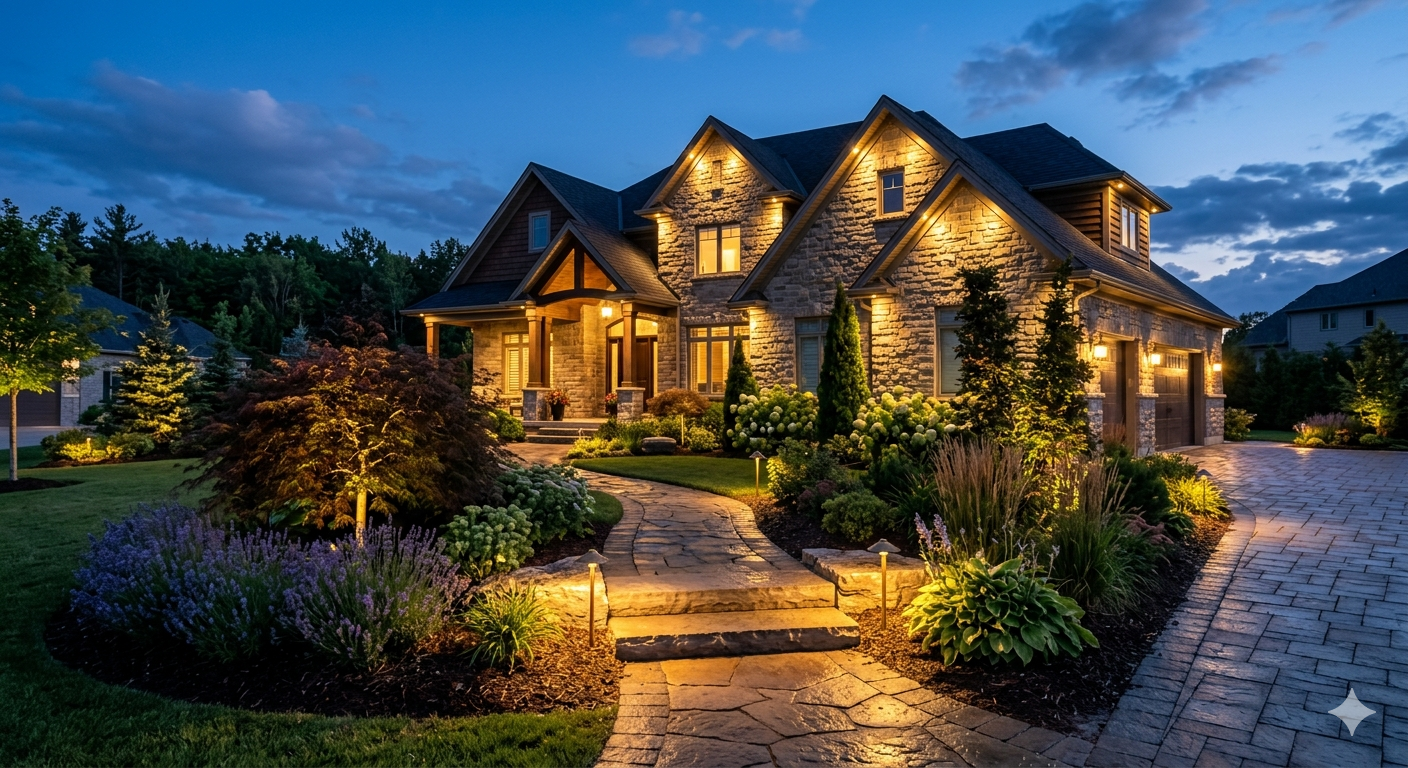
Landscaping is the process homeowners use to design and shape their outdoor space — from plant beds and patios to pathways and lighting. Before making physical changes, careful planning and visualization help ensure the finished yard feels cohesive, functional, and aligned with your lifestyle. When homeowners skip the planning phase, they often end up with mismatched features, overcrowded plants, or spaces that look good in photos but don’t work day to day. A clear vision solves that problem.
At a Glance
● A well-planned landscape balances layout, plant selection, hardscaping, and style.
● Visualizing ideas before building reduces costly changes later.
● Thinking about how the space functions — not just how it looks — leads to better
decisions.
● Lighting should be considered early, not added as an afterthought.
● A clear plan improves communication and confidence when working with a landscaping
professional.
Start with Layout: The Framework of Everything
Every successful landscape begins with structure. Layout determines how people move through
the space and how different areas connect.
Ask yourself:
● Where will people enter and exit?
● Do you need gathering areas, quiet retreats, or open lawn space?
● How will traffic flow between the house and outdoor zones?
A strong layout considers proportion and balance. For example, a large patio may overpower a
small yard, while narrow walkways can feel cramped. Think of layout as the blueprint that holds
everything together.
Zone Type Purpose Key Considerations
Entry Area First impression Clear pathways, focal plants
Outdoor Living Area Dining, seating, entertaining Shade, privacy, durable surfaces
Garden Beds Visual interest and seasonal change Sun exposure, irrigation
Lawn/Open Space Recreation and flexibility Drainage, maintenance level
Utility Areas Storage, HVAC, trash concealment Screening with shrubs or fencing
Designing with zones in mind keeps your yard organized rather than chaotic.
Plant Selection: Beauty with Purpose
Plants do more than fill space — they define the personality of your yard.
When choosing plants, consider:
● Climate and soil conditions
● Maintenance level
● Mature size (not just how they look at purchase)
● Seasonal variation
A cohesive design usually limits the number of plant varieties and repeats them strategically.
Repetition creates rhythm and visual calm.
Avoid selecting plants one by one without a plan. Instead, think in layers:
● Trees for height and structure
● Shrubs for fullness
● Perennials and groundcovers for texture
This layered approach creates depth and polish.
Hardscaping: The Anchor of Function
Hardscaping includes patios, retaining walls, walkways, driveways, and other non-living
elements. These features provide structure and usability.
Without thoughtful hardscaping, even beautiful plantings can feel unfinished.
Consider:
● Materials that complement your home’s exterior
● Long-term durability
● Drainage and slope
● How surfaces connect visually
A cohesive design aligns hardscape materials with overall style — modern homes often pair well
with clean lines and neutral pavers, while traditional homes may benefit from natural stone.
Seeing It Before You Build
Visualizing ideas before construction makes experimentation safer and smarter. Many
homeowners test different layouts, plant combinations, and design styles on paper or digitally to
understand what fits their space and preferences.
Using a text-based image generator can help bring early ideas to life. By describing elements like
“curved stone walkway with ornamental grasses and warm uplighting,” you can generate visual
concepts that clarify direction before committing to physical changes. This approach encourages
creativity while reducing uncertainty.
The clearer the mental picture, the smoother the project.
Why Lighting Should Be Part of the First Conversation
Landscape lighting dramatically changes how a yard feels after sunset. Yet many homeowners
treat it as an add-on instead of integrating it into the original design.
Planning lighting early allows you to:
● Define pathways clearly at night
● Highlight focal points such as trees or architectural features
● Make outdoor living areas usable beyond daylight hours
● Create ambiance and safety simultaneously
When you think about both day and night views from the beginning, the result is more cohesive.
Pathways, seating areas, and garden features can be intentionally positioned to look complete at
all times of day.
Homeowners can explore landscape lighting options through Brite Side Landscapes to better
understand how lighting integrates into an overall plan. Factoring lighting into the original
design helps avoid retrofitting wires or redesigning beds later — and it ensures the final result
feels polished rather than pieced together.
A Simple Planning Checklist
Before contacting a landscaping professional, work through this step-by-step guide:
1. Measure your space accurately.
2. Identify how you want to use the yard.
3. Gather inspiration photos that reflect your preferred style.
4. Define a rough budget range.
5. List maintenance expectations.
6. Consider lighting needs early.
7. Note drainage or problem areas.
Bringing this information into your first meeting leads to clearer conversations and more
productive collaboration.
Frequently Asked Questions
How detailed should my plan be before hiring a landscaper?
You don’t need construction drawings, but you should understand your goals, style preferences,
and functional needs. The clearer your vision, the easier it is for a professional to translate it into
a workable design.
Can I design my landscape in phases?
Yes. Many homeowners implement projects in stages. A master plan ensures each phase fits into
a larger vision rather than feeling disconnected.
How do I avoid costly mistakes?
Invest time in planning and visualization. Mistakes often occur when decisions are rushed or
when elements like lighting and drainage are overlooked early.
Is professional design worth it?
For complex projects, professional guidance can prevent structural issues, improve plant
longevity, and create a more cohesive final result.
A Helpful Planning Resource
For practical guidance on evaluating your yard’s existing conditions, the U.S. Environmental
Protection Agency offers resources on environmentally responsible landscaping through its
This resource helps homeowners think about water use, plant selection, and irrigation efficiency
— important considerations in any landscape plan.
Bringing It All Together
A well-designed landscape is not accidental. It results from intentional planning, thoughtful
visualization, and coordination between layout, plants, hardscaping, and lighting. When
homeowners take time to clarify their vision, they make stronger decisions and collaborate more
effectively with professionals. The result is an outdoor space that feels cohesive, functional, and
complete — both day and night.
Caroline James is a content writer for Elderaction.org. Their focus is on supporting families through significant changes, blending emotional guidance with practical solutions like effective decluttering and selecting the right new environment.