
Easy and Affordable Gardening Tips for Seniors to Enjoy Their Yard
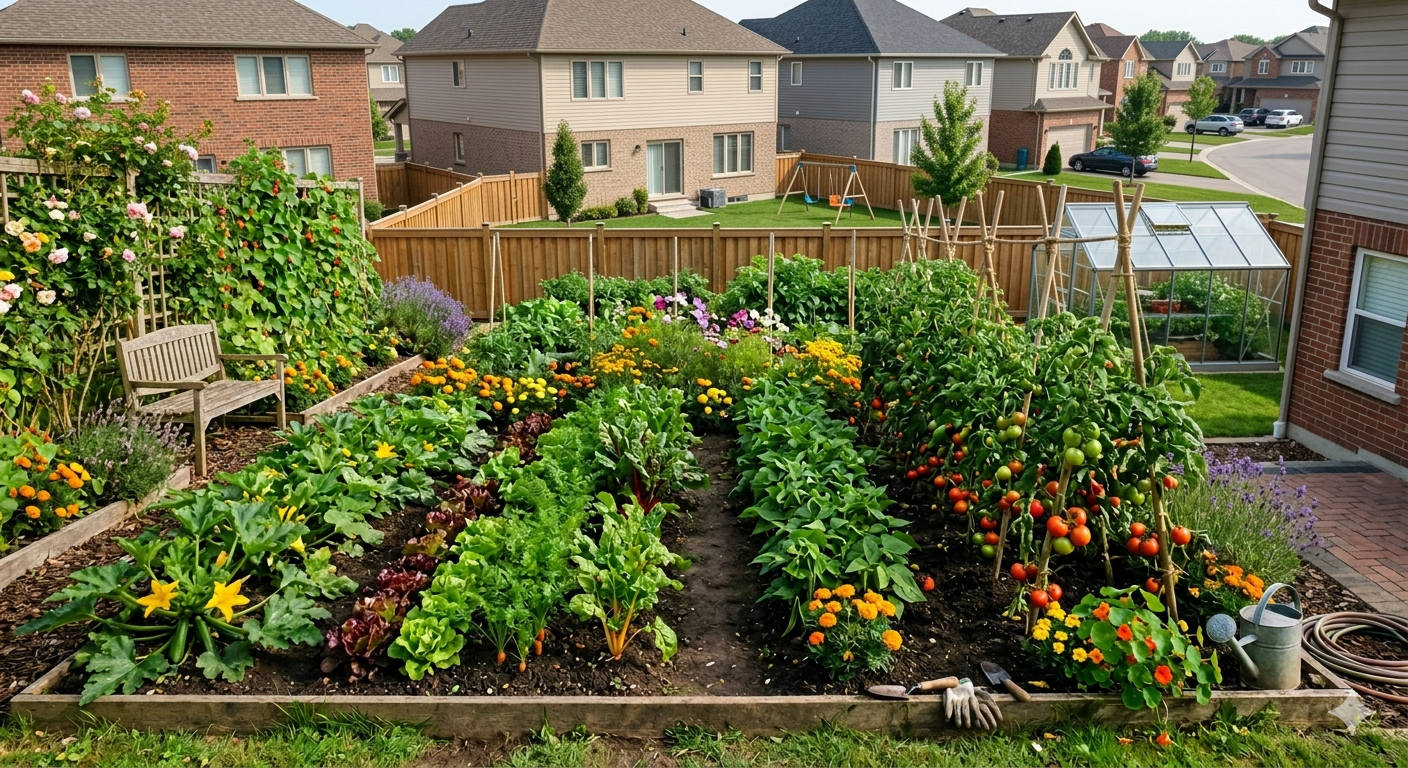
For senior gardeners who still want the calm and pride of a cared-for yard, traditional yardwork
can start to feel punishing. Low-maintenance landscaping challenges often show up as sore
knees, stiff backs, shaky balance, and faster fatigue, real gardening physical limitations that can
turn a favorite routine into something to dread. Age-friendly garden design shifts the focus from
constant upkeep to outdoor accessibility for seniors, so paths, planting areas, and daily tasks
feel manageable again. The benefits of easy-care gardening are simple and lasting: more time
enjoying the space, less time recovering from it.
Understanding a Yard That Practically Maintains Itself
The trick to an easier yard is planning for plants and systems that do the work for you. Native
plants tend to fit local weather, perennials come back without replanting, and drought-tough
varieties forgive missed watering days. Then you support them with efficient watering habits, so
you are not paying to overwater.
This matters because every extra trip with a hose or bag of annuals adds up in cost, time, and
soreness. Simple water-smart planning can also shrink utility bills, since irrigation scheduling
can often reduce energy use by 7 to 30% when it is consistent.
Think of it like choosing a reliable car instead of a high-maintenance one. A bed of natives and
perennials needs fewer replacements, and a basic timer waters early without you standing
outside. With that foundation, small-scale edible growing can follow a simple, low-stress routine
that can even earn a little income.
Turn a Simple Vegetable Patch Into a Tiny Side Income
When you choose plants that thrive with minimal fuss, you can also choose what you do with
the extra you harvest. If you enjoy tending a small vegetable patch, consider keeping it low-
maintenance and selling a little fresh produce locally, bags of greens, a few tomatoes, or herbs,
to neighbors, a nearby market, or a community group. The goal isn’t to build a big operation; it’s
to grow easy-care vegetables at home and share what you can consistently. If you decide to
make it official, an all-in-one business platform like ZenBusiness can help with practical basics
such as forming an LLC, creating a simple website, or keeping finances organized.
Try 6 Practical Upgrades That Cut Weeding and Watering
A low-maintenance yard doesn’t have to look bare or “given up on.” A few smart upgrades can keep things green while saving your knees, your time, and, if you’re growing to sell a little on the side, your budget for what you actually earn.
1. Smother weeds with sheet mulch (cardboard + mulch): Start with a weedy bed edge
or around shrubs. Lay down plain cardboard (remove tape), overlap seams by 6 inches,
wet it thoroughly, then top with 3–4 inches of wood chips or shredded bark, keeping
mulch a few inches away from trunks and stems. This blocks light so weeds stall out,
and it holds moisture so you water less often.
2. Mulch “the right way” in vegetable beds to cut watering: For veggie rows, use 2–3
inches of straw, shredded leaves, or untreated grass clippings (let clippings dry a day
first so they don’t mat). Leave a small mulch-free ring around seedlings until they’re a
few inches tall, then tuck mulch closer. When you’re aiming for a small side income, this
is one of the cheapest ways to protect yield, less stress on plants means more
consistent harvests.
3. Replace hard-to-mow lawn strips with ground covers: If a skinny side yard or slope
is more trouble than it’s worth, convert it. Clear the area, add a thin compost layer, then
plant ground covers in a tight grid so they knit together faster; finish with 1–2 inches of
mulch until they fill in. Good options include creeping thyme for sunny spots, sedge for
part shade, or clover mixes where you still want a “lawn-like” look with less mowing.
4. Choose shrubs that behave (and plant them for fewer problems): Look for shrubs
labeled drought-tolerant, compact, and disease-resistant, then group them by water
needs so you’re not babying one thirsty plant in a dry bed. When planting, dig the hole
2–3 times wider than the root ball but no deeper, and build a small soil “donut” berm to
hold water near the roots for the first month. Fewer fussy plants means fewer emergency
chores.
5. Install a simple drip line where you water most: Start with one “zone” you always
baby, tomatoes, container pots, or your front foundation bed. Run a main line along the
bed, punch in emitters or use a dripline, and stake it down under mulch so it stays put
and evaporation drops. Many people are surprised how much water can be saved since
drip irrigation installation can reach up to 90% water efficiency compared with overhead
watering.
6. Keep drip irrigation low-maintenance with a quick flush routine: Clogged emitters
turn “easy” into annoying, so plan a simple habit. Do a brief line flush at the start of the
season and again mid-season: open the end caps, run water until it’s clear, then close,
especially if your water has sediment. Rutgers guidance on periodic flushing to prevent
clogging explains why this small step prevents many common drip problems.
Quick Answers for Low-Stress Senior Gardening
Q: What are some easy-to-care-for plants that thrive with minimal watering and
maintenance?
A: Look for plants that forgive missed watering, like lavender, sedum, yarrow, and many
ornamental grasses. Choose one sunny area and start small so you can learn what truly thrives
without extra fuss. It also helps to pick a few “set it and enjoy it” indoor companions since easy-
care, low-maintenance vibe plants build confidence while your outdoor beds settle in.
Q: How can seniors reduce the time and effort needed for regular garden upkeep without
sacrificing beauty?
A: Shrink the “high-attention” zone and make everything else repeatable with a few sturdy plant
groups and a thick mulch layer. Use containers or raised planters only where you love to sit, so
your best color is close and easy. A simple weekly routine like a 10-minute check for wilted
leaves and quick deadheading prevents big catch-up jobs.
Q: What budget-friendly landscaping ideas can help make a garden both attractive and
manageable?
A: Think in inexpensive structure first: edging to define beds, mulch to unify the look, and a few
larger plants instead of many tiny ones. Divide perennials from friends or your own clumps, then
plant in drifts of 3 to 5 for a calm, “designed” feel. Skip fussy features that need constant
trimming and put the budget into soil improvement once.
Q: How can using native and drought-resistant plants simplify gardening tasks for
seniors?
A: Natives and drought-tough plants typically match your local weather, so they need less
babysitting once established. Group them by similar water needs, then you can water by section
instead of chasing individual plants. Start with one bed, watch which plants stay upright and
healthy, and expand only after that success feels easy.
Low-Maintenance Yard Setup Checklist
This quick checklist turns good intentions into an easy plan you can follow on tired days. Check
off what you can today, then pick just one item for your next short garden session in a growing
✔ Choose drought-tough plants for one small bed to start
✔ Group plants by water needs to simplify watering
✔ Set a weekly 10-minute walk-through to spot problems early
✔ Install soaker hoses or a drip irrigation system
✔ Apply 2 to 3 inches of mulch to reduce weeds
✔ Edge beds with low-cost materials to define easy borders
✔ Plant ground covers in bare spots to cut weeding
One small upgrade today makes tomorrow’s yard feel lighter.
Make One Low-Upkeep Change and Reclaim Your Garden Joy
When knees ache, balance feels shaky, or energy runs out early, even a beloved yard can start
to feel like a burden. A low-upkeep mindset, simple plant choices, steady routines, and forgiving
design, makes room for gardening with physical limitations without giving up beauty or pride.
Little by little, the work lightens, maintenance gets more predictable, and it becomes easier to
maintain garden enthusiasm through the season. A kinder garden is one you can keep enjoying.
Choose one small change this week, set a realistic watering schedule, refresh mulch, or simplify
one bed, and let that win carry you forward. That gentle consistency supports health,
confidence, and the everyday comfort of creating enjoyable outdoor spaces.
Caroline James is a content writer for Elderaction.org. Their focus is on supporting families through significant changes, blending emotional guidance with practical solutions like effective decluttering and selecting the right new environment.