
Winter Landscaping Tips to Boost Your Business Curb Appeal
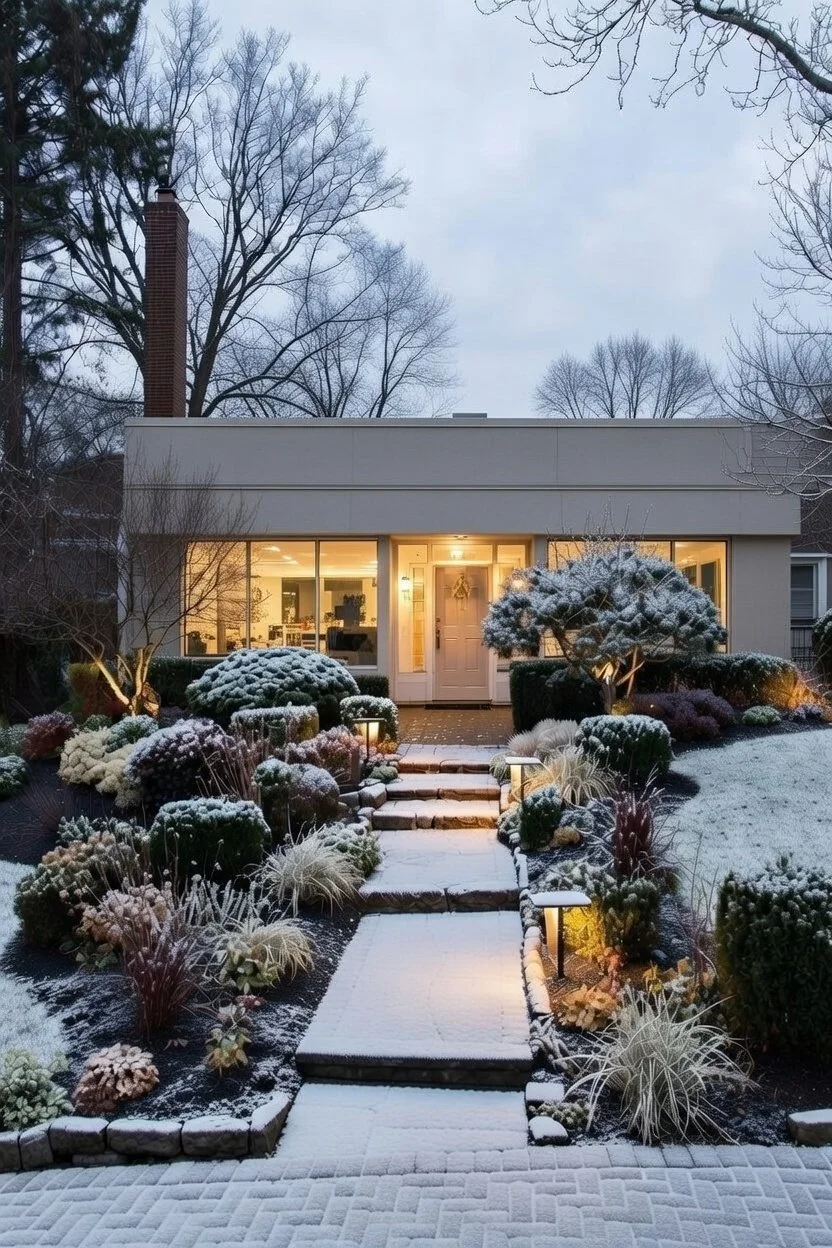
For new business owners and local property managers, winter landscaping challenges can feel like a daily test of pride and practicality. Snow piles, tracked-in slush, and early darkness make curb appeal maintenance harder just when customers are deciding, quickly, whether a storefront feels open, cared for, and safe. The commercial property exterior has to perform under pressure, with walkways, entrances, and plantings sending a message even on the roughest days. With the right mindset for seasonal landscape management, winter can still look professional.
Upgrade Winter Curb Appeal With 6 Practical Landscape Moves
Start with a clean, safe entry zone: Pick one “hero path” from parking to the front door and keep it consistently clear and visible. Shovel early (before foot traffic packs snow into ice), then apply de-icer in thin, even passes instead of dumping a pile in one spot. To keep de-icing walkways under control, store salt in a sealed bin and sweep up excess granules once things dry so they don’t scar concrete or get tracked inside.
Prune tree branches for a neater look (and fewer winter surprises): Winter is a great time to tidy up structure because leaves aren’t hiding problem spots. Focus on pruning tree branches that are dead, crossing, or hanging over walkways and signage, and step back every few cuts to keep the canopy balanced. A simple rule that helps beginners: remove the worst issues first, and stop once the tree looks cleaner, over-pruning creates just as many problems. The Grounds Guys recommend you prune dormant trees and remove dead or diseased branches first.
Lean on evergreen shrubs for instant “we’re open” structure: Evergreens do the heavy lifting when everything else fades, so use them to frame entrances, corners, and sign bases. Group plants in odd numbers (3 or 5) and repeat the same variety on both sides of the door for a professional, intentional look. If your budget is tight, start with two strong anchor shrubs near the entry and add matching plants later.
Swap in winter-resistant plants where you need reliable color and texture: Think beyond flowers, winter-resistant plants can mean berries, bark color, and ornamental grasses that stand up to cold. Place these in high-visibility areas like the first 20–30 feet from the curb, where customers actually notice them. For beginners, choosing plants that don’t fight your conditions is half the battle; Brussel Landscaping highlights that you can use native plants that adapt to local climate and soil, which typically reduces fussing and replacements.
Use lighting to make winter look intentional, not “leftover”: Winter days are short, so focus on visibility and warmth: light the front door, the main sign, and any step changes first. Aim fixtures downward to reduce glare on snow, and check that light isn’t blocked by sagging branches or piled snowbanks. Even a small tweak, re-aiming two lights and replacing dim bulbs, can make the whole property feel safer and more welcoming.
Winterize the “small details” customers judge quickly: Walk the site like a first-time visitor and look for what reads as neglected: leaning stakes, empty planters, and wind-tossed mulch. Top off planters with evergreen cuttings or pinecones, edge bedlines so snow melt doesn’t blur them, and refresh mulch where it’s thinned to keep a crisp outline. These are low-cost wins that support the same priorities you’re juggling all winter: safety, professionalism, and a property that still feels open for business.
When you repeat these six moves on a simple weekly rhythm, winter stops feeling like a constant emergency and starts feeling manageable, especially when you can check each task off in minutes.
Quick Winter Curb Appeal Maintenance Checklist
This checklist turns winter upkeep into quick wins you can repeat weekly, without second-guessing priorities. It also helps homeowners and designers protect lighting performance by keeping paths, plantings, and fixtures visible and safe.
✔ Map a single priority route and schedule snow removal before peak foot traffic
✔ Stock salt and de-icing products in sealed, labeled containers near entrances
✔ Inspect steps, edges, and ramps for ice risk and add traction where needed
✔ Protect shrubs and perennials with burlap screens, mulch, or anti-desiccant as needed
✔ Winterize irrigation systems by draining lines and shutting off exterior valves
✔ Clear snow from fixture lenses and re-aim beams away from glare-prone snowbanks
✔ Document weekly tasks and note what worked for faster mid-season adjustments
Check these off, then enjoy a property that looks cared for at every sunset.
Winter Curb Appeal Q&A Homeowners Ask
A few quick answers can make winter upkeep feel far more manageable.
Q: What are the most effective ways to protect plants from harsh winter weather?
A: Start by watering deeply before the ground freezes, then add 2 to 4 inches of mulch to buffer roots from temperature swings. Wrap vulnerable shrubs with burlap to reduce windburn, and use an anti-desiccant on evergreens if they bronze easily. Keep snow loads light by gently brushing, not shaking, branches.
Q: How can I keep walkways and parking areas safe from ice buildup during winter?
A: Shovel early and often, then apply de-icer before nighttime refreezing to prevent slick glazing. The habit to clear debris and clean drains helps meltwater move away instead of pooling and turning into ice. Add grit or traction mats where slopes and step edges stay shaded.
Q: Which types of plants maintain curb appeal throughout the winter season?
A: Choose evergreens for structure, then add winter-interest trees and shrubs with berries or colorful bark. Ornamental grasses and seed heads can look intentional all season when left standing and lightly tidied. For designers, repeating a few bold shapes reads clean even under snow.
Q: What steps should I take to prepare my irrigation system for freezing temperatures?
A: Shut off the water supply, drain exposed lines, and open drain valves so trapped water has an exit. If you use blowouts, keep PSI conservative and work zone by zone to avoid damage. For easy sharing with staff or tenants, keep the winterization steps as a one-page checklist you can update and turn files into PDF format so everyone’s working from the same version.
Q: How can outdoor lighting solutions improve the safety and visibility of winter landscaping?
A: Well-placed path and step lighting makes grade changes easier to see when snow hides edges. Aim fixtures to reduce glare on bright snow and keep lenses clear so light output stays consistent. A simple weekly wipe-down and quick re-aim after plowing can prevent dark spots and trip hazards.
Keep it simple, stay consistent, and your property can look cared for all winter.
Execute Winter Landscape Care From Plan to Finish
This is where winter curb appeal becomes predictable, not stressful. When you pair smart site care with quality outdoor lighting, homeowners and designers can keep landscapes looking intentional while also protecting people, plants, and hardscapes.
Step 1: Map your snow and ice routine first
Start by marking priority zones: entries, steps, ramps, mailbox or package areas, and any spot where guests naturally cut corners. Commit to Keep up with snow removal on a simple cadence, then stage tools and de-icer where you will actually use them. Finish by checking your path lights and step lights for glare on snow so safer routes look obvious after dark.Step 2: Reset the landscape so it reads “maintained”
Do one last tidy pass before storms pile up: edge key beds, pull loose debris, and define borders that will disappear under snow. If you have turf, aim for grass 2.5-3 inches tall going into winter so it is less likely to mat and look patchy in spring. Designers can treat this as the “clean canvas” moment that makes winter lighting look crisp, not cluttered.Step 3: Wrap and brace vulnerable plants with intention
Choose the plants that need help most, usually young evergreens, broadleaf evergreens, and shrubs in windy corners or near salted walks. Add mulch at the root zone, then wrap with burlap or breathable fabric, keeping it snug but not tight so airflow stays healthy. Place a small marker stake or low uplight near wrapped plants so plows, shovelers, and visitors do not clip them.Step 4: Winterize irrigation so freezing cannot surprise you
Confirm the water is fully shut off, then drain what you can and open any drain points so trapped water has a way out. If your system is more complex, build in a quick inspection habit that includes drain the pumping plant and a visual check for anything that looks cracked, loose, or corroded. Label valves and zones now, because spring startups go smoother when you can see what is what even in low light.Step 5: Create a weekly “walk and glow” check
Once a week, walk the property at dusk with a notepad: clear snow from fixture lenses, re-aim anything bumped by shoveling, and look for shadowy patches near steps or grade changes. Pair that with a quick plant and pavement scan so broken branches, icy puddles, or windblown mulch do not linger. This small ritual keeps your lighting plan aligned with real winter conditions, not just the original design.
Small, steady upkeep is what makes winter curb appeal feel effortless.
Keep Winter Curb Appeal Strong With Simple, Steady Care
Winter can make it tempting to let outdoor business aesthetics slide, even as snow, ice, and salt quietly raise the stakes for employee and customer safety. A simple, plan-first mindset, preparing early and following through with consistent seasonal maintenance, turns winter landscape preparation advantages into real business curb appeal benefits. When the site stays clear, protected, and orderly, it feels welcoming, operations run smoother, and problems are caught before they become complaints or injuries. Winter curb appeal is really winter readiness. Choose one priority this week, tighten the snow plan, check plant protection, or confirm irrigation is fully winterized. That steady attention builds confidence, resilience, and a place people feel good returning to all season.
Caroline James is a content writer for Elderaction.org. Their focus is on supporting families through significant changes, blending emotional guidance with practical solutions like effective decluttering and selecting the right new environment.